
Quick answer: The best window tint for a home is the film matched to your problem. For heat with a nearly clear look, 3M Prestige. For heat and glare with a darker look, 3M Night Vision. For year-round comfort, 3M Thinsulate. For privacy, frosted film. For broken glass and break-ins, security film. Home film runs about $7 to $19 per square foot.
We’ve put film on more than 5,000 San Antonio area homes since 1989, and we’re one of only two 3M Prestige Dealers in the city. Here’s how the films compare, using 3M’s published numbers.
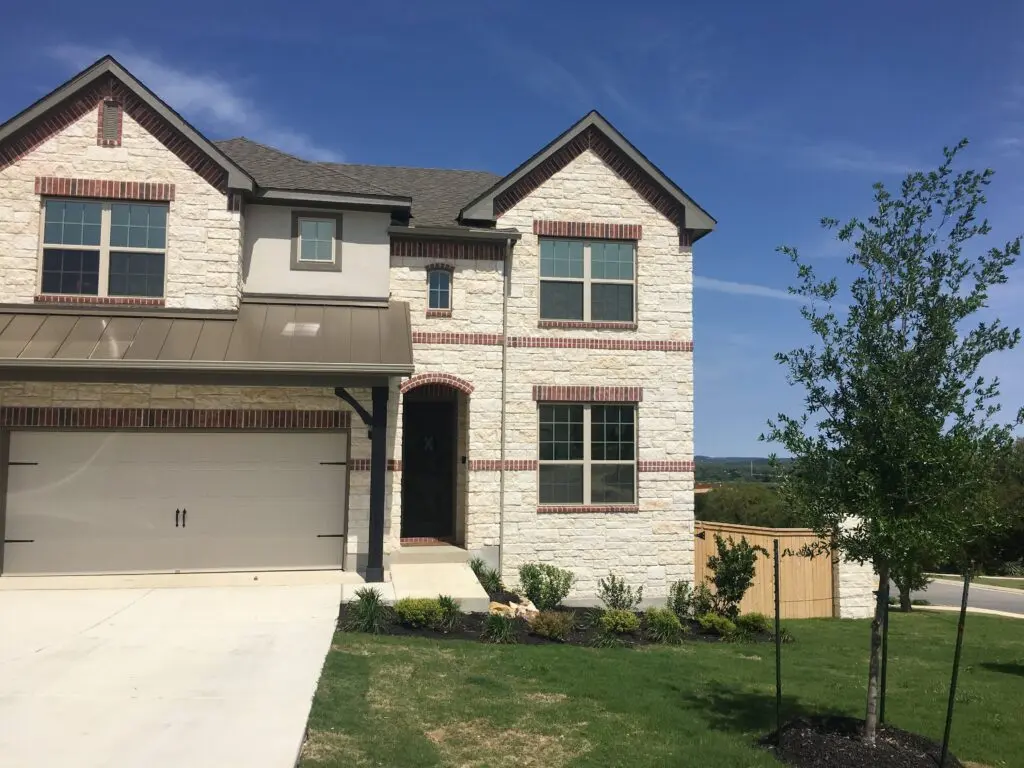
Every San Antonio house has a thermostat, and every thermostat has one person in the house guarding it like a nuclear launch code. Everyone else is just trying to survive the living room at 5pm. Window film won’t end that standoff, but it can lower the stakes.
What’s the best window tint for a home?
The best home window film depends on what’s bothering you: heat, glare, cold, privacy or security. Each 3M film is built to solve one of those first, and they all block nearly all UV. This table compares them on clear double-pane glass, using 3M’s own lab numbers.
| Film | Best for | Light let in | Solar energy rejected | UV blocked |
|---|---|---|---|---|
| No film (clear double-pane glass) | Nothing, it’s the baseline | 79% | 30% | 55% |
| 3M Prestige 70 | Heat, with almost no change in look | 63% | 42% | 99.9% |
| 3M Prestige 40 | More heat control, light tint | 35% | 47% | 99.9% |
| 3M Night Vision 15 | Heat and glare, darker look | 12% | 61% | 99.9% |
| 3M Thinsulate CC40 | Heat in summer, heat loss in winter | 32% | 54% | 99.8% |
| Frosted or decorative film | Privacy, day and night | Varies by film | Varies by film | Varies by film |
| Security film | Holding broken glass together | Varies by film | Varies by film | Varies by film |
Numbers come from 3M’s product bulletins for Prestige, Prestige 40, Night Vision 15 and Thinsulate CC40, with Thinsulate’s UV figure from its specification sheet. They’re lab values on clear glass, so your own windows will land a little differently.
The “no film” row is in there for honesty. It’s also the row your living room is living in right now.
Now look at the UV column for a second. Plain double-pane glass lets almost half the UV through, and every one of those films stops nearly all of it. So the real choice comes down to heat, glare, privacy and how you want the house to look.
Does window tint reduce heat in a house?
Yes. Window film rejects part of the sun’s energy at the glass, before it turns into heat in the room. 3M says its home films can reduce up to 81% of the sun’s heat, depending on the film (3M Home Window Solutions). The Department of Energy’s Building America Solution Center says window films are most appropriate in warm and hot climates, which describes San Antonio for most of the year.
West-facing rooms feel it most, because that’s where the late sun lands. One customer put it plainly:
“The heat from the direct sunlight was creating an unbearable living space during the 100 degree summer days.”
Russell B., September 2023
Another started small and came back for more:
“We were so happy with our first installation on a big sliding glass door that we asked them to come out and do additional windows that get the afternoon sun. Makes a big difference.”
Megan S., April 2024
That’s the thermostat standoff in real life. Film doesn’t hand the remote to anyone. It just means the person guarding the thermostat stops having to stand next to it.
Which 3M film is best for heat without darkening the room?
3M Prestige. It’s a metal-free, multilayer film that rejects heat while keeping the view almost unchanged, and 3M’s Prestige specification calls for at least 99.9% UV rejection. On clear double-pane glass, Prestige 70 rejects 42% of the sun’s energy while still letting in 63% of the light, per 3M’s numbers in the table above.
Prestige is the film for people who want a cooler room and don’t want anyone to notice the windows changed. That includes the homeowners’ association, the neighbors, and the in-laws who notice everything else. Our 3M Prestige home film page has the full range, and if heat is the only thing you care about, our guide to the best window film for heat reduction goes deeper.
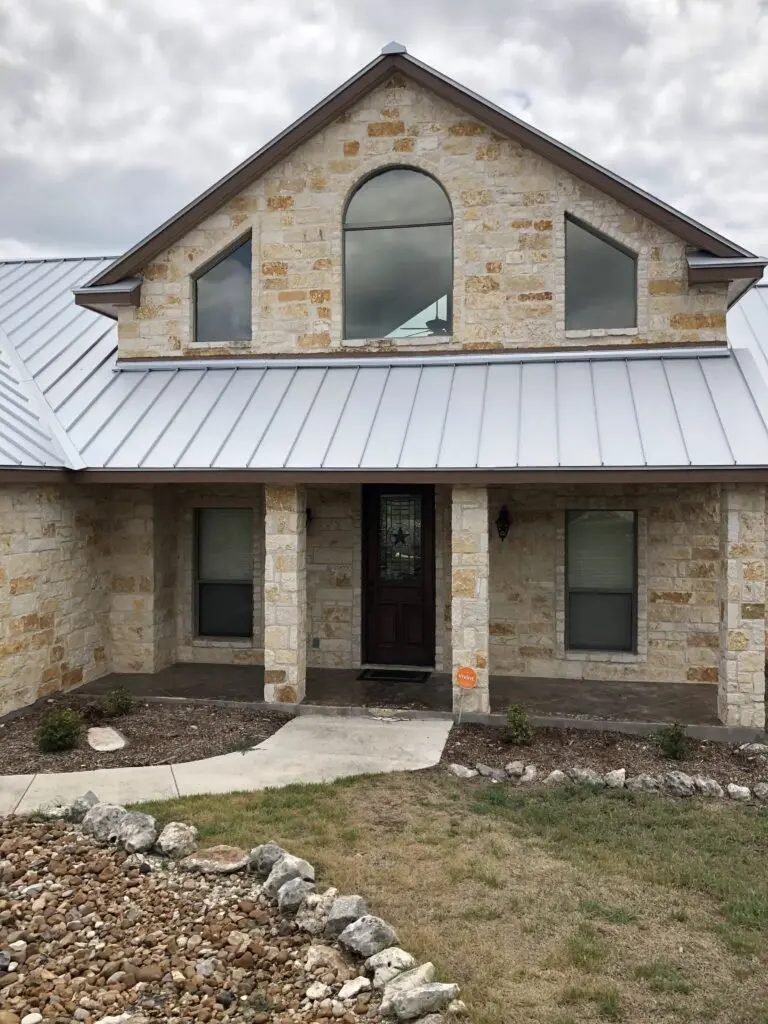
Which home window film is best for glare?
3M Night Vision. It’s a darker film with low reflection on the inside, especially at night, so you can still see out after dark instead of staring at your own reflection. 3M’s Night Vision 15 bulletin rates it at 85% glare reduction and 61% of solar energy rejected on clear double-pane glass.
Glare is the problem with perfect timing. The sun drops to exactly the angle that turns your TV into a mirror during the one game you’ve been waiting all week to watch, then politely moves on once the game’s over. Night Vision is the film for that room. See our 3M Night Vision page for the shades.
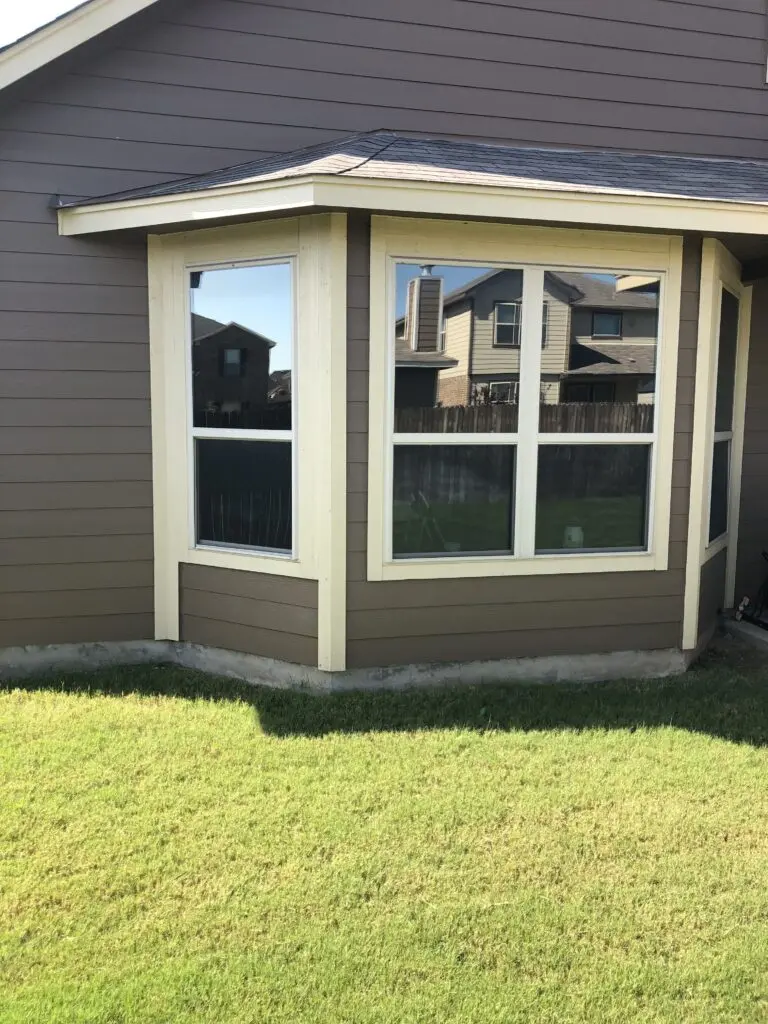
Which window film helps in winter too?
3M Thinsulate. Most solar films only help in summer, and the Department of Energy’s Building America guide notes that films may add to heating needs in winter. Thinsulate is an insulating, low-e film, so it also holds heat in: in 3M’s tests, Thinsulate CC40 cut heat loss by 39% through single-pane glass and 26% through double-pane glass.
San Antonio winter mostly shows up for a long weekend in January and leaves without saying goodbye. If your house has a room that’s an oven in August and an icebox for that weekend, Thinsulate is the film for both. One catch: it’s the delicate one to clean, and our guide to how to clean tinted windows covers what 3M asks for.
Which window film is best for privacy?
Frosted or decorative film, if you want privacy day and night. It blurs the view in both directions, so nobody sees in whether the lights are on or off. Mirror-style films only give privacy in daylight: after dark, with the lights on inside, people outside can see in.
Mirror film at night turns your living room into a very well-lit aquarium, with you as the fish. That nighttime flip catches a lot of people out, and we explain why in does privacy window film work at night. For bathrooms, front doors and street-facing windows, frosted film is the honest answer. Our pages on privacy window film and 3M decorative film show the finishes.
“I had my entire house tinted with a privacy tint in my bathroom. The tint looks great because you can’t even tell they are there except for the reduced heat coming from them.”
Clirissa H., July 2022
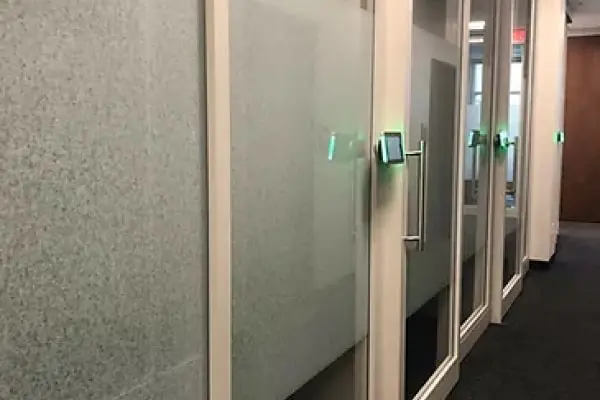
Which window film is best for security?
3M safety and security film. It’s a thicker, clear film that holds broken glass together, so a window cracks and stays in the frame instead of falling into the room. 3M says these films can help delay intruders and help keep flying glass from hurting people, and it’s just as clear that they’re not bulletproof and not designed to stop intruders.
Think of it as buying time, not building a vault. A window that takes longer to get through is a window most people give up on, and a cracked pane that stays in its frame is one nobody steps on barefoot at 2am. We put more than 10,000 square feet of 3M security film on the Bexar County Elections Office in 10 days, and 3M Ultra 800 on more than 100 windows at St. Peter’s Catholic School in Boerne in 4 days. See safety and security film, and if you’re wondering, here’s whether window film is bulletproof.
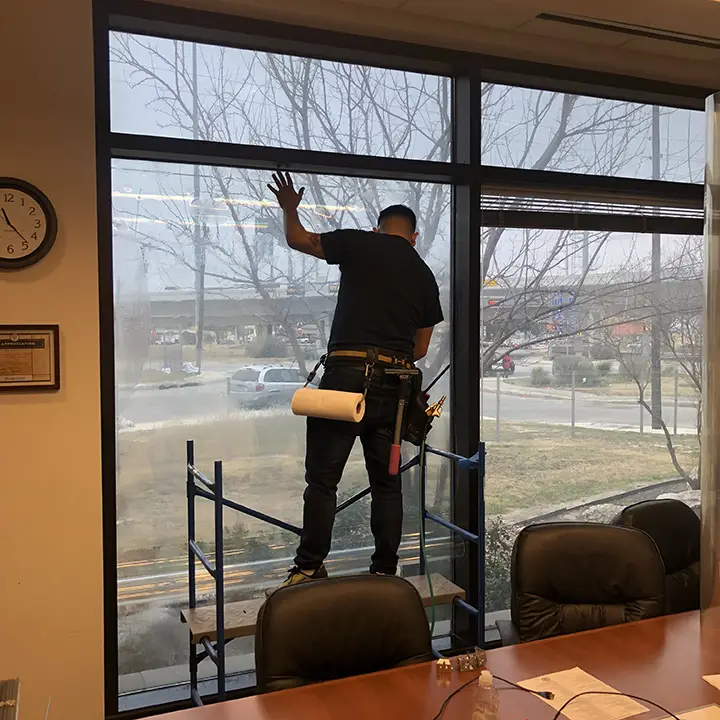
Is home window tinting worth it? The pros and cons
For most San Antonio homes with sun-facing glass, yes. Film cuts heat and glare, blocks nearly all UV, and costs far less than new windows. The trade-offs are real, though: darker films change the look and the light, film has to suit the glass, and it isn’t free. Here they are side by side.
| Topic | The upside | The catch |
|---|---|---|
| Heat | 3M says its home films can reduce up to 81% of the sun’s heat | Most solar films add a little to winter heating, except low-e films like Thinsulate |
| Light and view | Prestige keeps the view almost unchanged | Darker films cut daylight and change the look of the room |
| UV and fading | Prestige and Night Vision block 99.9% of UV | 3M says nothing completely stops fading |
| Glass | Safety film holds broken glass together | The film has to suit the glass, which is why we look at your windows first |
| Cost | About $7 to $19 per square foot, installed | It’s a real outlay, and removing film later is slow work |
| Durability | Lifetime film warranty while you own and live in the home | Scratches and physical damage aren’t covered |
The fading row deserves a straight answer. 3M’s window film FAQ says UV causes about 40% of fading, visible light about 25% and heat about 25%, and that film can stretch the life of your furnishings by as much as two to five times. That’s a big help, not a force field. The rug by the patio door will still age. It’ll just do it at the pace of a rug instead of a banana.
On the glass question, 3M’s flat glass warranty covers glass that cracks from heat stress caused by the film for five years, and seal failure on double-pane units for up to ten years, when the film goes on glass 3M approves. If you have double-pane or low-e windows, read can you tint double pane windows first, then let us look at the glass before anyone recommends anything.
How much does home window tint cost?
Home window film runs about $7 to $19 per square foot of glass, installed. The film you pick and the amount of glass set most of the price, and harder installs, like high windows, odd shapes or old film to strip first, push it toward the top of the range. Every house gets a free quote at the house before you commit to anything.
Most people guess too high, because they’re picturing the cost of new windows and have already started mentally cancelling the summer vacation. Film goes on the glass you already have. If you want the number for your own windows, book a free in-home quote for 3M home window film and you’ll have it in writing before we leave.
What we see at the shop
Home film is the part of our business where we come to you. We bring the 3M samples to your house, hold a heat lamp behind each one, and you put your hand on the other side. Most people pick their film right there, with their hand still on the glass.
Most homes are done in a day, including the clean-up. We travel up to about 50 miles from our shop on Grissom Road, from Alamo Heights to Kerrville, and we’ve put film on more than 5,000 homes since 1989. Some customers do one problem window first and come back for the rest, like Megan S. above. I’d honestly rather you start with the room that’s driving you crazy and see what it does than sign up for the whole house on faith.
Our installers get named in reviews more than I do, which is fair:
“The company provided excellent customer service and our technician Steven did a phenomenal job!”
Grace Y., July 2022
And when something isn’t right, we deal with it directly. Russell B., the customer with the unbearable summer living room, also wrote that “the owner called us directly to gain a better understanding and rectify the situation.” When there’s a problem, we make it right. That part of the job hasn’t changed since 1989, and neither has the thermostat standoff, which is still going on in a house near you right now.
Frequently asked questions
Does home window tint really reduce heat?
Yes. Film rejects part of the sun’s energy at the glass, and 3M says its home films can reduce up to 81% of the sun’s heat, depending on the film. West-facing rooms in the late afternoon see the biggest change.
Can you see out at night with home window film?
With 3M Prestige and Night Vision, yes, because they’re built with low interior reflection. Mirror-style films reflect the room back at you at night and let people see in when the lights are on, so they aren’t a nighttime privacy option.
Will window film damage double-pane windows?
Not when the right film goes on the right glass. 3M’s warranty covers heat-stress cracking for five years and seal failure for up to ten years on glass it approves for film, which is why the windows get checked before a film is chosen.
How long does home window film last?
3M home film carries a lifetime film warranty for as long as the original buyer owns and lives in the house. Scratches and physical damage aren’t covered.
How much does home window tint cost in San Antonio?
Home window film runs about $7 to $19 per square foot of glass, installed. The film and the amount of glass set most of the price, and every home gets a free quote at the house.
The right film depends on your windows, your rooms and what’s bugging you, and that’s easier to settle at your house than on a screen. Book a free in-home quote for 3M window film for your home, and we’ll bring the samples and the heat lamp. Most homes are done in a day.
Sources
- 3M: Home Window Solutions (heat, UV and safety film cautions)
- 3M: Sun Control Window Films brochure (Prestige and Night Vision values)
- 3M: Prestige 40 Window Film Product Bulletin
- 3M: Prestige Series Technical Data Sheet
- 3M: Night Vision 15 Window Film Product Bulletin
- 3M: Thinsulate Window Film CC40 Product Bulletin
- 3M: Thinsulate Climate Control Series Specifications
- 3M: Window Films Warranty Bulletin, Flat Glass Applications
- 3M: Window Film FAQs (causes of fading)
- U.S. Department of Energy Building America Solution Center: Window Attachments for Solar Control and Energy Efficiency

Written by Kevin “Fletch” Fletcher, co-owner of Fletch Window Tint
Kevin and his wife Sally have run Fletch Window Tint in San Antonio since 1989. The shop is one of only two 3M Prestige Dealers in the city, with more than 120,000 cars and 5,000 homes tinted. Get a free quote or call (210) 669-2940.