
Quick answer: 5% tint, usually called limo tint, lets 5% of visible light through and blocks about 95%. From outside it looks nearly black, and in daylight you can’t see who’s inside. From inside, daytime feels like wearing dark sunglasses. At night, seeing out through it is hard, especially when backing up, which is why it usually goes on rear windows.
We’ve tinted more than 120,000 cars in San Antonio since 1989, and we’re one of only two 3M Prestige Dealers in the city. 5% is the dark end of our window tint percentages guide, and it’s the shade people love most in photos and think hardest about after dark.
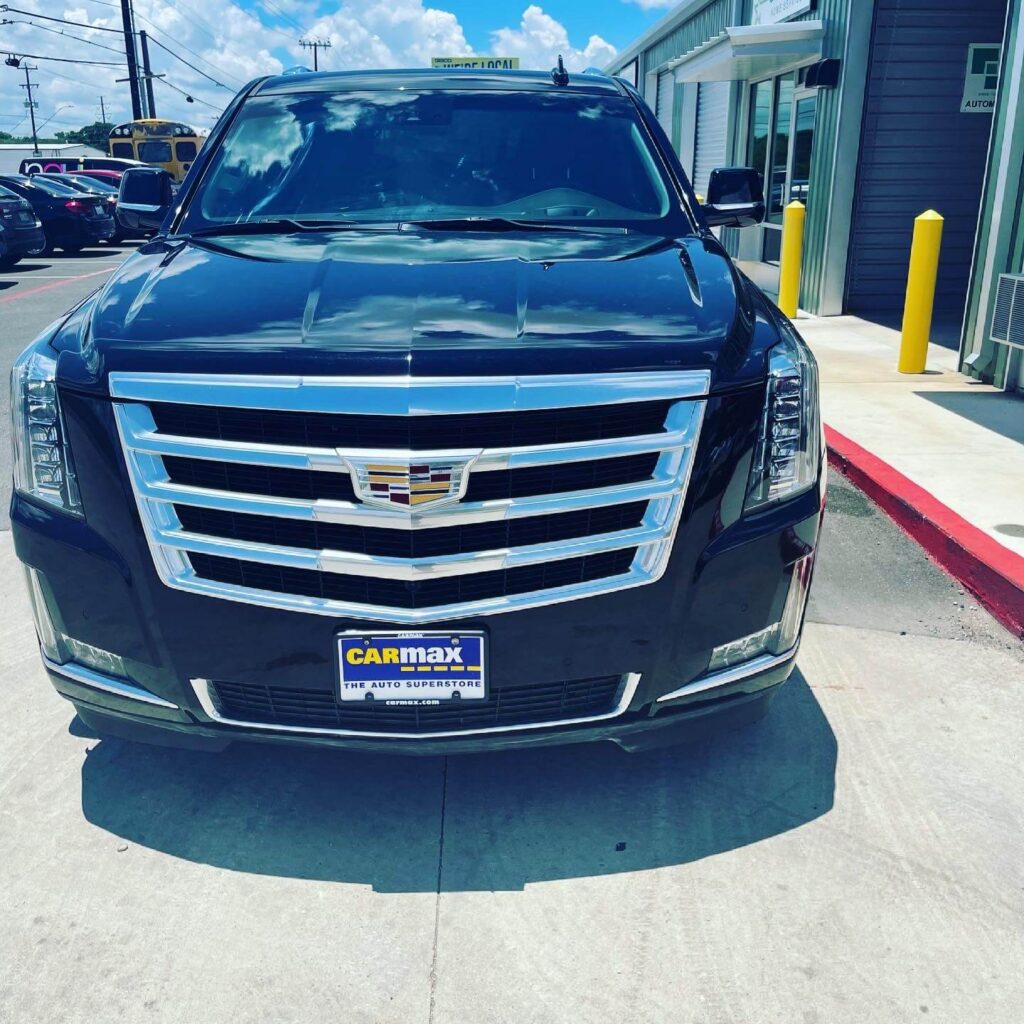
What percent is limo tint?
Limo tint is 5% tint: film that lets about 5% of visible light through. It’s the darkest shade in 3M’s Obsidian and Ceramic IR lines, according to 3M’s data sheets.
It got the name the honest way: limousines wear it. Texas even lists vehicles “used regularly to transport passengers for a fee” under a local license among the exceptions in its window law, Section 547.613. Regular cars play by different rules, and our post on whether 5% tint is legal covers them in full.
Limo tint has one side effect nobody warns you about. At red lights, people stare at your car hoping somebody famous is inside. It’s you. You’re eating a breakfast taco.
How dark is 5% tint?
5% tint blocks about 95% of visible light. That’s darker than the 15% film the International Window Film Association says would “appear nearly black from the exterior and make it difficult to see through the glass.”
Here’s how 3M’s 5% films compare with their lighter neighbors on typical car glass that lets 73% of light through, from 3M’s data sheets for Obsidian, Ceramic IR and Crystalline:
| 3M film | Light that gets through | Glare cut compared with bare glass | UV blocked | Total solar energy rejected |
|---|---|---|---|---|
| Obsidian 5 | 6% | 91% | 99.8% | 60% |
| Ceramic IR 5 | 5% | 93% | 99.9% | 66% |
| Obsidian 15 | 18% | 75% | 99.7% | 57% |
| Ceramic IR 15 | 16% | 78% | 99.9% | 63% |
| Crystalline 35 | 33% | 55% | 99.9% | 60% |
Crystalline 35 is in there on purpose. Keep an eye on the last column, because it comes back later.
Hold a piece of 5% up to a window and it stops looking like tinted glass. It looks like a phone screen that’s switched off.
What does limo tint look like from outside?
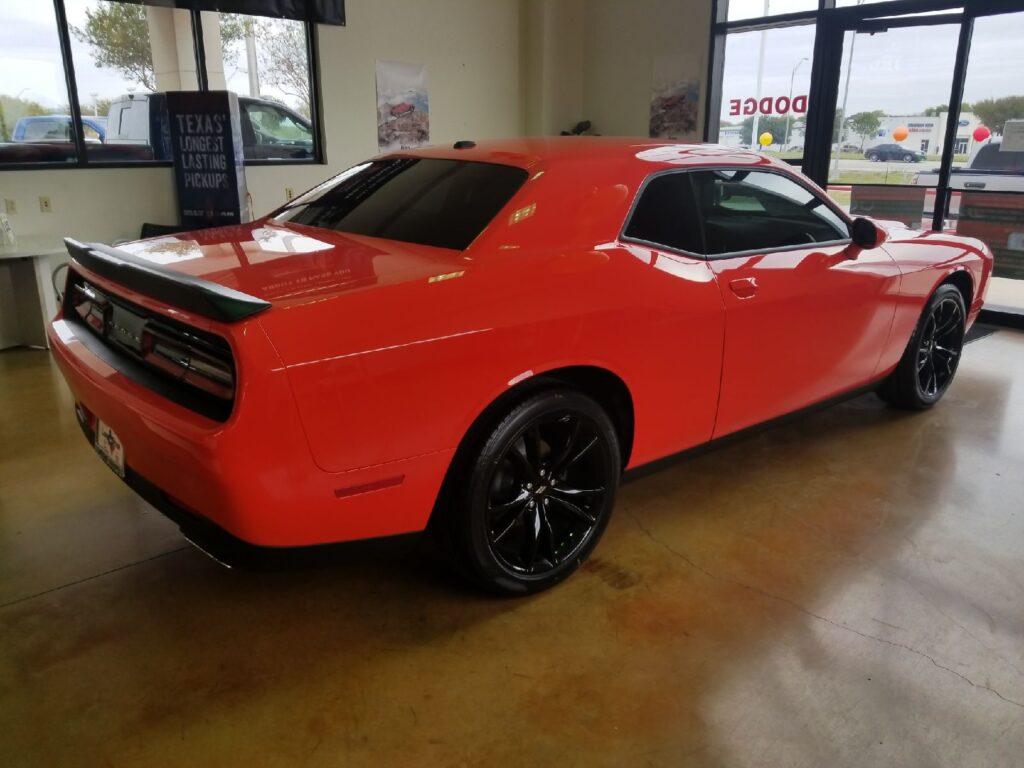
From outside, 5% tint looks black. In daylight nobody can see who’s inside, not even up close. 3M’s films are low-reflection, too: the Obsidian data sheet lists 4% exterior reflectance for Obsidian 5 on car glass, so it looks like black glass rather than a mirror.
On a black SUV, the glass and the paint run together into one dark shape. On a white car, the windows are the first thing anyone notices, which is either the point or a problem, depending on how you feel about attention.
At night, the trick reverses. With the dome light on, the cabin is the brightest thing around, so people outside can see in more easily. The IWFA’s Automotive Education Guide notes that the color of the interior affects how easy it is to see the occupants, “especially at night.” That’s when the red-light crowd finally gets its answer: still you, still the taco.
What’s it like to drive with 5% tint?
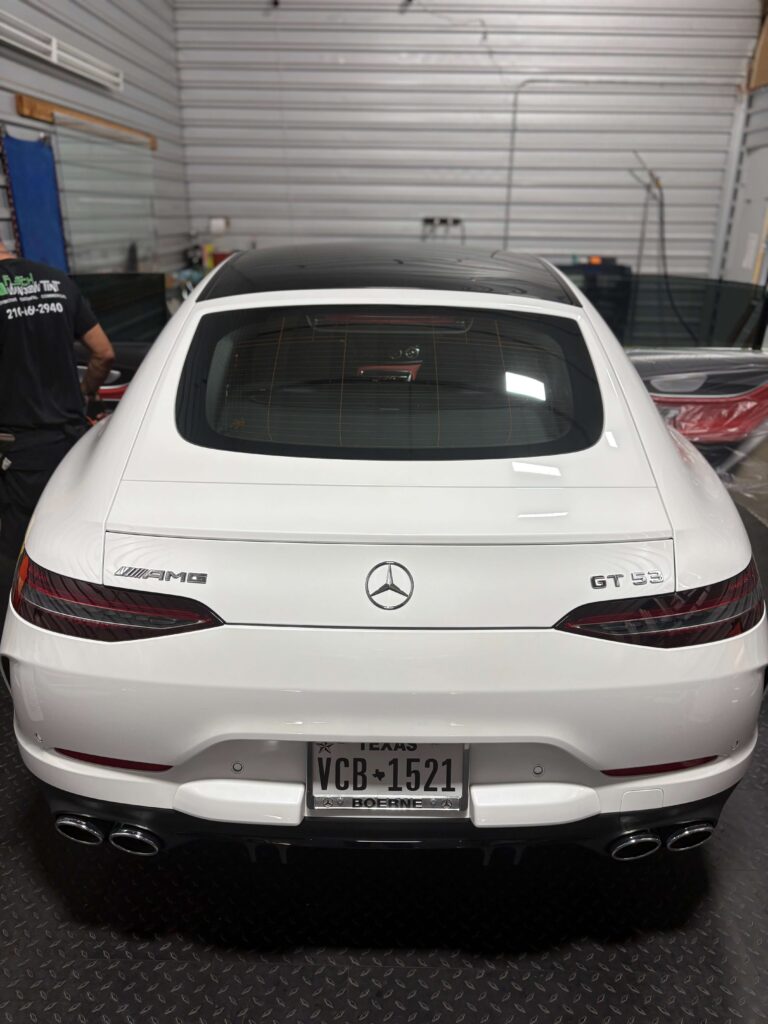
In daylight, driving with 5% in back is easy. After dark, looking out through it is hard, and backing up is where most drivers feel it. Here’s how it goes from noon to midnight.
In daylight
In bright sun, 5% feels like wearing sunglasses. If you’re also wearing sunglasses, it feels like wearing two pairs, which is a look. Checking the back glass in the rear-view mirror is dimmer than usual but workable, and the cabin stays shaded and private.
At night
At night, seeing out through 5% is the hard part. A 2000 study in Human Factors found that even an 18% window reduced how well drivers in their 20s picked out fine, faint detail, and 5% lets through far less light than 18%.
It’s the steakhouse-menu problem. Everything’s technically still there. You just can’t read it without your phone’s flashlight.
Backing up and parking
Backing up is where 5% on the back glass shows up most. A 1991 Insurance Institute for Highway Safety study simulated drivers checking through the rear window before backing up. Darker glass made them less likely to spot a child or road debris behind the car, and the authors concluded that “the safety of backing maneuvers is compromised for all drivers at the lowest luminous transmittance (darkest tinting) levels studied.”
Backing out of a dark driveway with limo tint on the back glass runs mostly on memory and faith, with the reversing camera doing the actual work. If your car has a camera and big side mirrors, 5% in back is a lot easier to live with.
Where does limo tint usually go?
On a regular Texas car, limo tint goes behind the driver: the rear side windows and the back glass. The Texas DPS says the rear side windows are “completely exempted from regulation,” and the back window can be any darkness if the car has an outside mirror on each side showing the road at least 200 feet behind.
The front side windows need 25% or more. On the windshield, the only film allowed anywhere is a clear, un-tinted UV film, and film that darkens the glass has to stay above the AS-1 line, or in the top five inches if there’s no AS-1 line, and let through 25% or more. So 5% doesn’t go on either one. The full legal picture is in is 5% tint legal, and our post on the darkest window tint that’s still safe covers the safety side.
Rear passengers tend to love it. Kids in the back get a private movie theater, sticky floor included.

Do you need limo tint to keep a car cool?
No, and this is the part that surprises people. On 3M’s data sheets, Obsidian 5 rejects 60% of total solar energy on typical car glass. Crystalline 35, which reads 33% on that glass and is legal on Texas front side windows, also rejects 60%. Ceramic IR 5 tops the table at 66%.
So the film moves the heat as much as the shade does. My honest take: if heat is the reason you want 5%, you want a better film, not a darker one. Ask about 3M Crystalline or 3M Ceramic IR, and save the seatbelt buckle from the branding-iron temperatures it’s been hitting every afternoon since May.
UV isn’t a reason to go darker either. Every film in the table blocks 99.7% or more of UV on car glass. The Skin Cancer Foundation awards its Seal of Recommendation only to window film that blocks “99 percent or more of solar UVA and UVB,” and 3M says its Obsidian and Crystalline series have earned it.
What we see at the shop
One of the more memorable limo tint jobs we’ve done was a 1957 Chevy that Six Flags Fiesta Texas sent over. It’s a prop car, and it got 3M ceramic limo tint. Finally, a limo-tinted car where the people staring at it got their money’s worth.
On everyday cars we install to the Texas rule, so 5% goes behind the driver. If you’ve never driven with it, look through it after dark before you decide. Jillian S. wrote this in March 2022, and it’s the conversation I’d want anyone to have first: “They walked me through how each tint would impact the manufacturer’s tint (I have a Model Y) and what the visibility would be at night through the glass ceiling.”
Customers tell us a car takes anywhere from 45 minutes to two and a half hours, and same-day service is usually available. Bring a breakfast taco. It’s on brand.
Frequently asked questions
What percent is limo tint?
Limo tint is 5% tint, which lets about 5% of visible light through and blocks about 95%. It’s the darkest shade in 3M’s Obsidian and Ceramic IR lines.
Can you see out of 5% tint at night?
You can, but it’s hard, especially when backing up or looking for something low and dark behind the car. Research has found that darker tint makes drivers less likely to spot low-contrast things like a child or debris.
Is 5% tint legal in Texas?
On a regular car, only behind the driver. The rear side windows are exempt, and the back window can be any darkness if the car has an outside mirror on each side, while the front side windows need 25% or more. Our post on is 5% tint legal has the details.
Can you put 5% tint on a windshield?
No. Film that darkens a windshield is only allowed above the AS-1 line, or in the top five inches if there’s no AS-1 line, and it has to let through 25% or more of the light. The only film allowed anywhere on the windshield is a clear, un-tinted UV film.
Does 5% tint block more UV than lighter tint?
Only slightly. On 3M’s data sheets, Ceramic IR 5 blocks 99.9% of UV on car glass, and Ceramic IR 70, the lightest in the line, blocks 99.6%.
Can people see into a car with 5% tint?
Not in daylight, even from up close. At night with the cabin lights on, they can see in more easily.
See 5% before you commit
Limo tint is easy to love in a photo and harder to judge at night. Bring your car to our Grissom Road shop for car window tint in San Antonio, and we’ll put 5% where Texas allows it, with a free quote and a lifetime film warranty. Weighing a lighter shade for the back? Read 20% tint or 15% tint, and see the full tint percentages chart for every shade. Call (210) 669-2940. We’re open Monday to Saturday from 9:30am to 5:30pm.
Sources
- Texas Transportation Code Section 547.613, Restrictions on Windows
- Texas Department of Public Safety, Window Tinting Standards
- International Window Film Association, Automotive Window Film
- International Window Film Association, Automotive Education Guide (PDF)
- 3M Automotive Window Film Obsidian Series, Technical Data Sheet (PDF)
- 3M Automotive Window Film Ceramic IR Series, Technical Data Sheet (PDF)
- 3M Automotive Window Film Crystalline Series, Technical Data Sheet (PDF)
- LaMotte J. et al., “Effect of aftermarket automobile window tinting films on driver vision,” Human Factors, 2000
- Freedman M., Zador P.L., Staplin L.K., “Effects of Visibility of Reduced Transmittance Film on Automobile Rear Windows,” Insurance Institute for Highway Safety, 1991
- Skin Cancer Foundation, UV Window Film and Tint
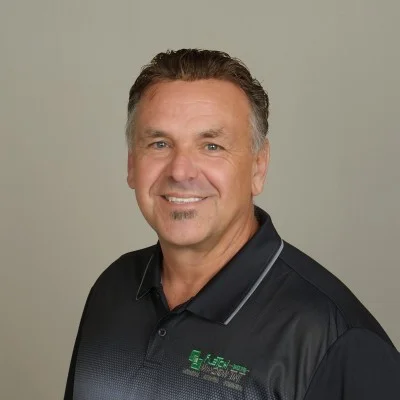
Written by Kevin “Fletch” Fletcher, co-owner of Fletch Window Tint
Kevin and his wife Sally have run Fletch Window Tint in San Antonio since 1989. The shop is one of only two 3M Prestige Dealers in the city, with more than 120,000 cars and 5,000 homes tinted. Get a free quote or call (210) 669-2940.