
Quick answer: Solar screens usually block more of the sun’s heat because they stop it outside the glass. Window film keeps a clearer view, goes on the inside, blocks more UV and needs no outdoor upkeep. A sensible San Antonio mix is solar screens on west windows you never look through and film on the windows where the view matters.
We’ve put window film on more than 5,000 San Antonio area homes since 1989. We sell film, not screens, so every number about screens below links to someone who isn’t me.
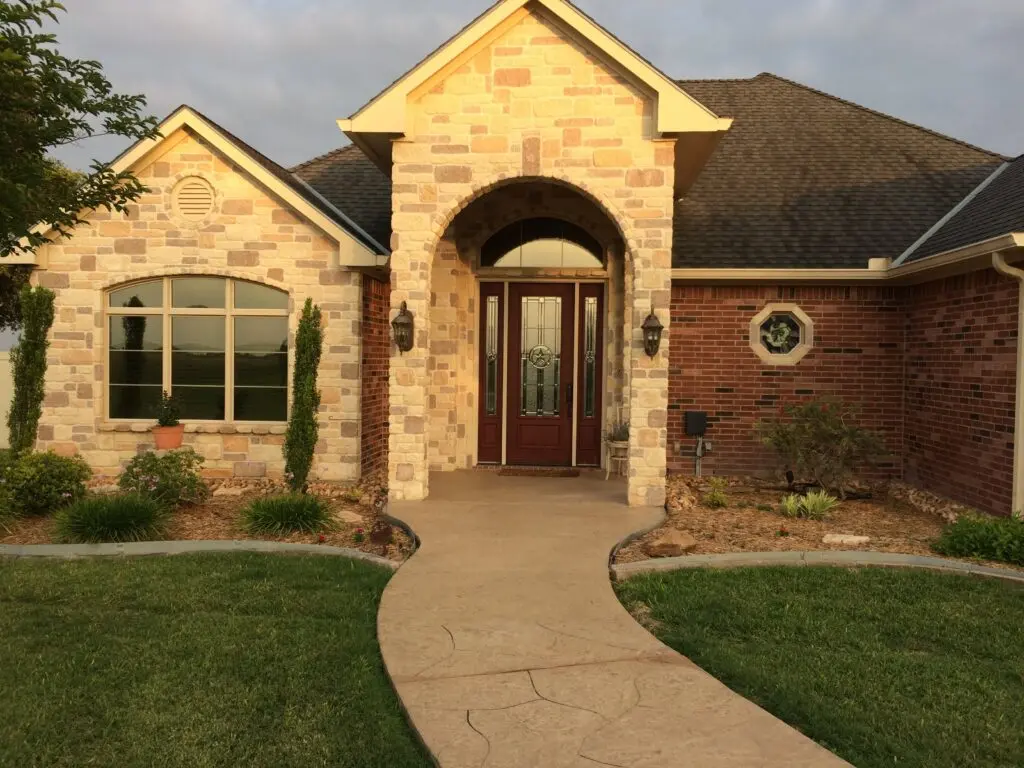
Solar screens vs window film: which is better?
Neither wins everywhere. Solar screens are the stronger heat blocker on the windows they cover, and window film is the better choice where you want a clear view, less upkeep and nothing on the outside of the house. Here’s how they compare on the things San Antonio homeowners ask about.
| Solar screens | Window film | |
|---|---|---|
| Where it goes | Outside, in a frame over the window | Inside, on the glass |
| Heat blocked | Phifer SunTex 80 and 90 fabric: 80% to 90% of the sun’s heat and glare | 3M Prestige: 50% to 62% of total solar energy. 3M Night Vision 15: 72% |
| UV blocked | About 75% (SunTex 80) to 90% (SunTex 90) | 99.9% (3M Prestige) |
| View out | Through a mesh: softer and darker | Clear with light films. 3M Prestige 70 lets through 69% of daylight |
| Openness | About 25% (SunTex 80) or 10% (SunTex 90) | Not applicable: no holes, just glass |
| Look from the street | Visible frames and fabric over each window | Clear films barely change the look. Reflective films look mirrored |
| HOA | Changes the outside of the house, so check the rules first | Clear film is rarely an issue. Check the rules before reflective film |
| Upkeep | Occasional wash with mild soap and water, plus checks for tears and loose hardware | Clean like glass with a soft cloth once the first 30 days are up |
| Lifespan | Most last 10 to 15 years. SunTex carries a 10-year exterior warranty | 3M backs home film with a limited lifetime warranty. We back ours with a lifetime film warranty |
| Cost | $80 to $280 per window, installed (Angi, 2026) | About $7 to $19 per square foot of glass, installed, at Fletch |
Sources: Phifer, 3M Prestige data sheet, 3M Night Vision 15 data sheet, Angi. The heat rows aren’t a perfect match. Phifer’s figure describes the screen fabric, while 3M’s numbers are measured for film on 1/4-inch clear glass.
If you only read one row, read the one that matters for that window. A window you never look through and a window you bought the house for need different answers. Nobody paints every room the same color either, except whoever flipped the house before you bought it, and we’ve all seen how that turned out.
How do solar screens work?
A solar screen is a tightly woven mesh in a frame that mounts outside the window. It shades the glass, so much of the sun’s heat is absorbed or blocked outside the house. HomeGuide puts fixed exterior screens at 65% to 90% of the sun’s heat blocked, depending on the fabric, and darker, tighter fabrics block more.
The Department of Energy’s Building America Solution Center explains why outside works so well: exterior shading blocks sunlight “before it passes through the window,” so it’s typically more effective at reducing solar heat gain than anything mounted inside.
That’s why so many San Antonio houses have them. Drive through any subdivision here in July and half the homes look like they’re wearing your uncle’s wraparound sunglasses to Fiesta.
The uncle has a point, by the way. Those glasses work.
How does window film block heat?
Window film is a thin layer applied to the inside of the glass. It reflects and absorbs part of the sun’s energy, so less heat passes into the room. 3M’s data sheets put its Prestige films at 50% to 62% of total solar energy rejected on clear glass, with 99.9% of UV blocked, while keeping much more daylight than a screen.
The trick with films like Prestige is that they’re spectrally selective. 3M says they reject up to 97% of the sun’s infrared light while letting most of the visible light through, so the room stays bright.
Film also has the one feature screens can’t match: you can’t see it. From the couch, a window with Prestige 70 looks like a window, which is a strange thing to brag about until you’ve lived behind mesh for ten years.
Our post on the best window film for heat reduction goes through the 3M films shade by shade.
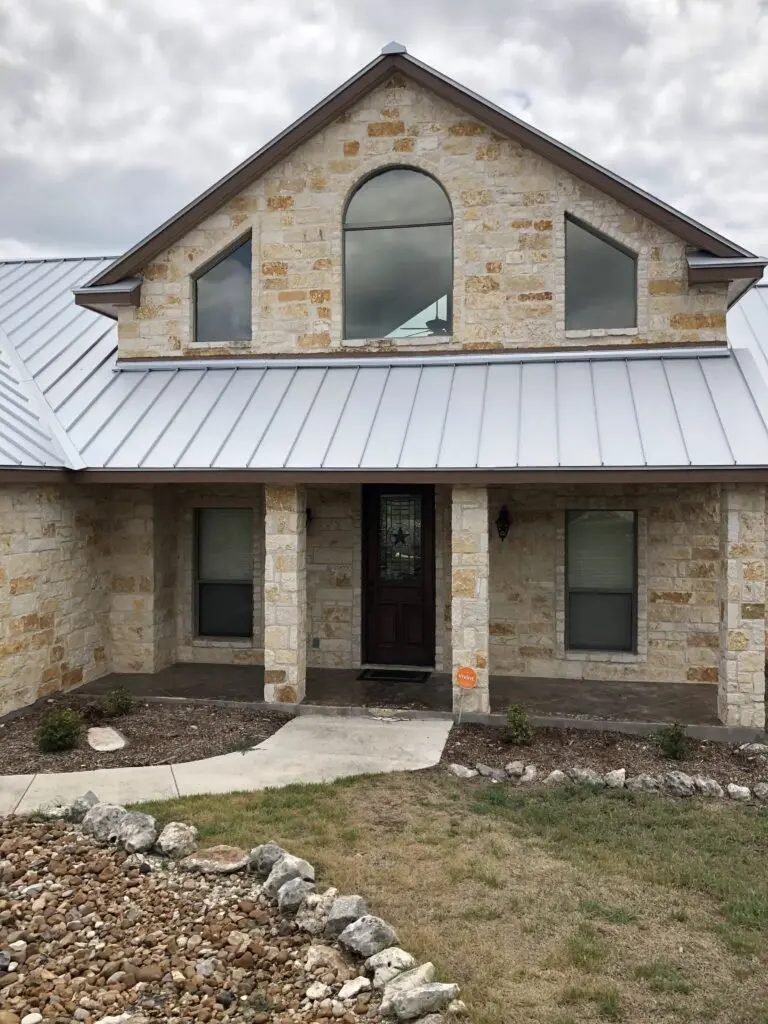
Which blocks more heat, solar screens or window film?
Solar screens, on most windows. Stopping the sun outside the glass beats stopping it at the glass, and a dark screen fabric blocks 80% to 90% of the sun’s heat and glare by Phifer’s figures. Film rejects 50% to 72% of the sun’s energy, depending on the 3M film. Film closes much of that gap if you choose a darker shade.
A study done for the Department of Energy modeled homes in 12 US cities, San Antonio among them. It found that in cooling-dominated climates every window attachment it tested saved energy, solar screens and films included, and that exterior attachments are generally more effective at saving cooling energy.
So if heat is the only thing you care about on a window, a dark solar screen is hard to beat. I’d say that even if it cost me the job, and on that particular window it probably will.
Which keeps the view better?
Window film. A light film like 3M Prestige 70 lets through 69% of daylight with no mesh in the way, so the view looks like glass. A solar screen puts woven fabric between you and the yard, and SunTex 90, the darker Phifer fabric, is only about 10% open. Screens do add daytime privacy, which some homeowners like.
The view through a screen is one of those things you stop noticing. Then one spring you take a screen down to hose it off, look through the bare glass, and gasp at how green the yard is, like someone just cleaned your glasses for you.
Film has its own view trade-off at night. Reflective films can turn the inside of the glass into a mirror after dark, which is why we use low-reflective films like 3M Night Vision when someone wants a darker film and a view at night.
What about HOA rules, looks and upkeep?
Solar screens change the outside of the house, so many HOAs have rules on frames, fabric color or which windows can have them. Interior film is far less visible, though some HOAs restrict mirrored or reflective film. Check your HOA’s architectural guidelines before buying either one.
For upkeep, Phifer says its fabric needs “only an occasional cleaning with mild soap and water,” and Angi adds checks for tears and loose hardware. Film gets cleaned like the glass it’s on. 3M’s Prestige data sheet says to wait 30 days after install, then use common window cleaners and a soft cloth, with no abrasive cleaners or bristle brushes.
There’s one tenant screens attract that film never will. That shaded gap between the screen and the glass is prime real estate for paper wasps, who consider it a covered patio with a view.
How long do solar screens and window film last?
Most solar screens last 10 to 15 years, according to Angi, and Phifer gives SunTex fabric a 10-year exterior warranty. Window film lasts longer. The International Window Film Association puts film at about 20 years, and 3M offers a limited lifetime warranty on film professionally installed on a home.
We give home film a lifetime film warranty too. It covers the film failing, bubbling, peeling and discoloring. Whoever installs your film, ask exactly what their warranty covers before you sign.
Screens live outside in San Antonio weather, which is a hard life for anything. Ten Texas summers is a long time to spend facing west, as anyone who’s left a lawn chair out there can tell you.
How much do solar screens cost compared with window film?
Angi’s 2026 figures put professionally installed solar screens at $80 to $280 per window, depending on size and material. At Fletch, home window film runs about $7 to $19 per square foot of glass, installed. Screens are priced per window and film per square foot, so measure your windows before comparing the two.
To compare the two for your house, measure the glass first. The film you pick moves the number too, and how much window film costs walks through how to measure and what changes the price.
Price per window is only half the math. The other half is how many years each one lasts, and which windows you’d rather see out of during those years.
Can you use solar screens and window film together?
Yes. Screens go outside and film goes on the inside of the glass, so they don’t get in each other’s way. Plenty of San Antonio homes would do well with both: solar screens on west windows nobody looks through, and film on the windows where the view, the daylight or the curb appeal matters most.
Here’s my opinion, as someone who sells only one of the two. The window behind the garage that nobody has looked through since the house had dial-up? Screen it. The big living room window with the oak tree outside? Film it, and keep the tree.
If you want to compare on your own glass, our heat control window film visit is free, and we bring the samples and a heat lamp so you can feel the difference.
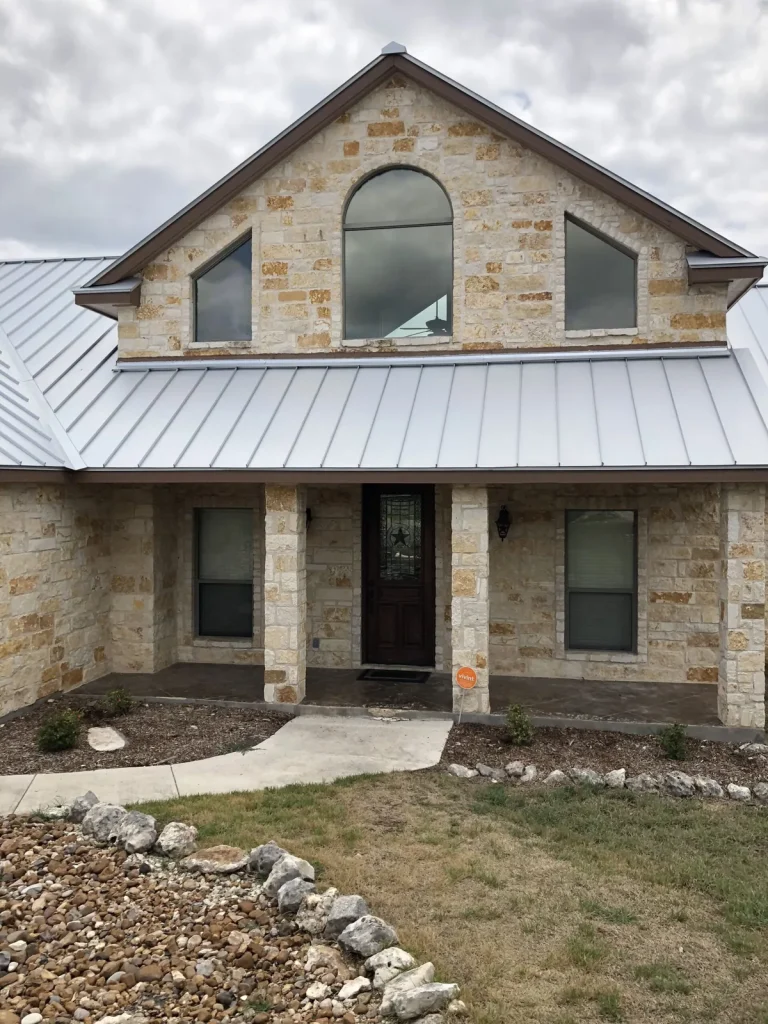
What we see at the shop
Every home quote we do includes a heat lamp demo. We hold the lamp behind each 3M sample, you put your hand on the other side of the glass, and for most people the difference makes the decision right there.
The film goes on the inside, so the house looks the same from the street. Our installers need two to three feet of clear space in front of each window, and most homes are done in a day.
Russell B. (September 2023) had us put solar tint on the front windows of the house because “the heat from the direct sunlight was creating an unbearable living space during the 100 degree summer days.” Brian H. (May 2024) put it more strongly than I ever would: “If you are in the market for residential window tint\film, you are doing yourself a disservice if you do not call Fletch first.”
I’ll take that, and I’ll add one thing. If a window is better off with a screen, I’ll tell you so at the quote, and you can keep the uncle’s sunglasses on that side of the house. Nobody’s judging. Well, the HOA might.
Frequently asked questions
Are solar screens better than window film?
It depends on the window. Solar screens usually block more heat because they shade the glass from outside. Window film keeps a clearer view, blocks more UV, needs less upkeep and lasts longer, so it suits windows you look through.
Do solar screens or window film block more heat?
Solar screens usually block more. Phifer rates its SunTex 80 and 90 fabric at 80% to 90% of the sun’s heat and glare, while 3M’s home films reject 50% to 72% of the sun’s energy depending on the film.
Can you put window film on windows that have solar screens?
Yes. Film goes on the inside of the glass and screens mount outside, so you can have both. Many homes use screens on windows they rarely look through and film on the rest.
Do solar screens block the view?
They soften and darken it. Solar screen fabric is a woven mesh, and darker fabrics are only about 10% open, so the view looks gauzier and the room gets darker. Light window films keep a much clearer view.
How long do solar screens last compared with window film?
Most solar screens last 10 to 15 years, according to Angi. Window film lasts about 20 years by the International Window Film Association’s estimate, and we back home film with a lifetime film warranty.
Does Fletch install solar screens?
No. We install 3M window film on homes and businesses. If a solar screen suits one of your windows better, we’ll tell you at the quote.
Keep the view and lose the heat
If you’re weighing film against screens, start with the windows you actually look through. Book a free in-home quote for heat control window film in San Antonio, and we’ll measure your windows, show you the 3M samples under a heat lamp, and give you a written price before we leave. See everything we do for houses on our home window tinting page.
Sources
- Phifer: SunTex 80/90 exterior solar screen fabric
- Angi: How Much Do Solar Screens Cost to Install? (updated May 2026)
- HomeGuide: Solar Screens Cost Per Window and By Type
- Building America Solution Center (PNNL, Department of Energy): Window Attachments for Solar Control and Energy Efficiency
- Energy Savings from Window Attachments, prepared for the US Department of Energy (PDF)
- 3M Prestige Series technical data sheet (PDF)
- 3M Night Vision 15 technical data sheet (PDF)
- 3M Sun Control Window Film Prestige Series
- 3M Sun Control Window Films Night Vision Series
- International Window Film Association: The Basics About Window Films (PDF)

Written by Kevin “Fletch” Fletcher, co-owner of Fletch Window Tint
Kevin and his wife Sally have run Fletch Window Tint in San Antonio since 1989. The shop is one of only two 3M Prestige Dealers in the city, with more than 120,000 cars and 5,000 homes tinted. Get a free quote or call (210) 669-2940.