
Quick answer: 70% tint lets 70% of visible light through, so it looks nearly clear. Drivers pick films like 3M Ceramic IR 70 to cut heat and UV. It’s legal on Texas side and rear windows. On windshields, Texas allows clear UV film anywhere, but darkening film only above the AS-1 line or in the top five inches.
We’ve tinted more than 120,000 cars in San Antonio since 1989, and as one of only two 3M Prestige Dealers in the city, we install 3M’s nearly clear Ceramic IR and Crystalline films.
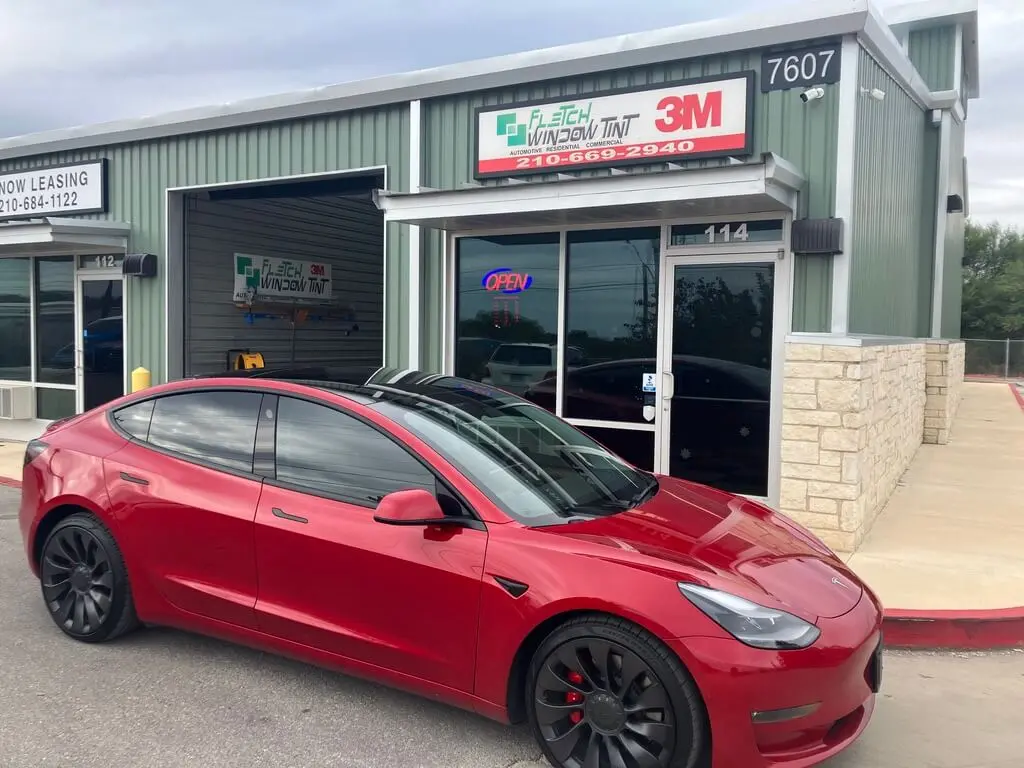
70% tint at a glance
70% is the lightest shade in our guide to window tint percentages, and the one people notice least. Here’s what it does in 3M’s own tests, next to bare glass and the next shade down.
| On standard auto glass | No film | 3M Ceramic IR 70 | 3M Crystalline CR BLK 70 | 3M Ceramic IR 50 |
|---|---|---|---|---|
| Visible light let through | 73% | 64% | 64% | 50% |
| Total solar energy rejected | 42% | 51% | 51% | 54% |
| Glare reduction | n/a | 12% | 13% | 32% |
| UV blocked | 67% | 99.6% | 99.9% | 99.8% |
| Reflectance, outside | 7% | 7% | 8% | 6% |
3M tested every film on 6 mm green-tinted auto glass, per the Ceramic IR data sheet and the Crystalline data sheet.
Read the first row again. On the same glass, 70% film takes the light from 73% to 64%. That nine-point drop is the whole look, and it’s why people who get 70% spend the first week tapping their own window to make sure they actually bought something.
What does 70% tint look like?
70% tint looks almost clear. From outside, the glass looks a shade darker than untinted glass if you know to look for it, and the people inside are as easy to see as before. From inside, the view looks like ordinary glass with the harshest glare taken off.
On clear glass, both numbers move up and the look stays the same. 3M measured Ceramic IR 70 at 78% light through on clear glass that lets through 89% on its own.
Which gives 70% a problem no other shade has: when it works perfectly, it looks like you didn’t buy anything. You’ll point at your window to show your brother-in-law, he’ll lean in and squint politely, and the two of you will quietly agree to talk about the Spurs instead.
70 shows up in the federal rules for car glass, too. The federal glass standard, FMVSS 205, has long required passenger-car windows to have “a regular luminous transmittance of not less than 70 percent,” according to a 1995 Federal Register notice.
In that same notice, Ford reported that cutting windshield light transmission by 5 points, from 65% to 60%, reduced night seeing distance by only 1 to 2 percent. That test wasn’t about film. It does show how little a few points matter at the light end of the scale, which is exactly where 70% lives.
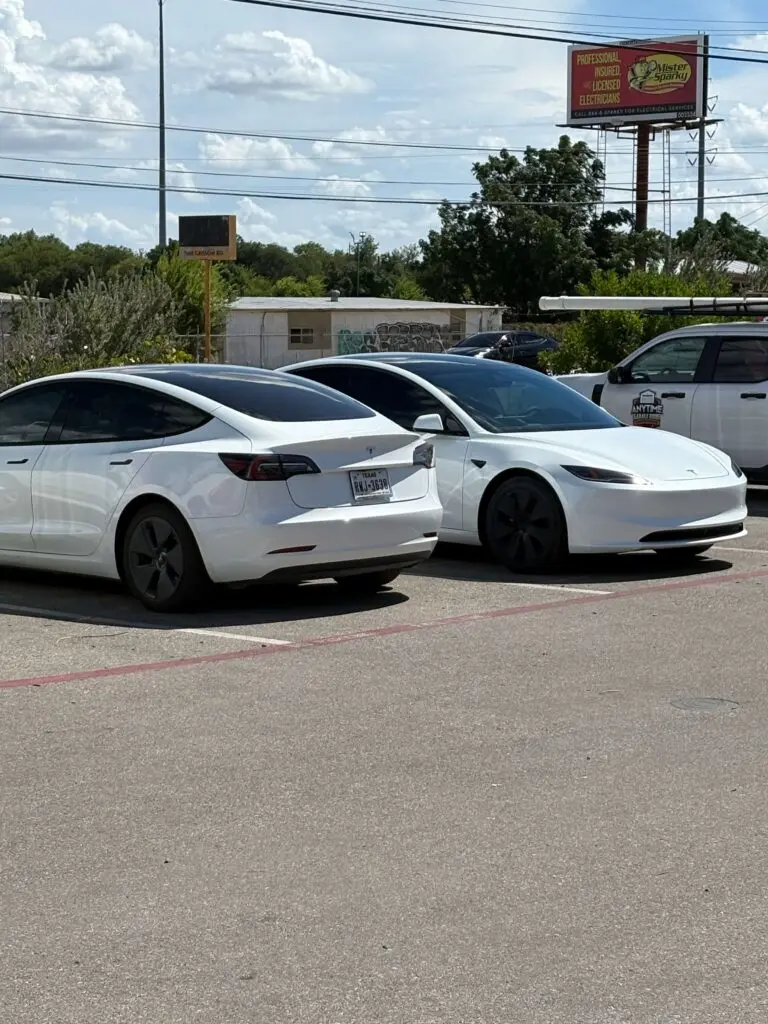
What does 70% tint actually do?
70% tint cuts heat and UV without changing the look. In 3M’s tests on standard auto glass, Ceramic IR 70 rejects 51% of the sun’s total energy, against 42% for the glass alone, and blocks 99.6% of UV. 3M also rates it at 78% infrared rejection, measured on the film over the 900 to 1,000 nanometer range.
That’s the energy that turns a seat belt buckle into a branding iron by 3pm in August. It leaves a neat little rectangle on your forearm, like you’ve just been inspected and approved by the USDA.
The UV number matters most on the side windows. A 2016 study in JAMA Ophthalmology found windshields blocked 96% of UVA on average, but side windows blocked only 71%, with a range of 44% to 96%. So on the side windows, 70% film closes a real gap. On the windshield, the glass already does most of the UV work, and the film’s job is mostly heat and glare.
The Skin Cancer Foundation describes window film as “a laminate capable of blocking up to 99 percent of UV radiation,” and 3M’s Crystalline line has earned the Foundation’s Seal of Recommendation, per its data sheet.
Crystalline and Ceramic IR get to the same place by different roads. Crystalline CR BLK 70 is rated at 97% infrared rejection in that narrow 3M test, against 78% for Ceramic IR 70, though both land at 51% of total solar energy on standard auto glass. If heat is your main fight, our 3M Crystalline window tint page explains the film, and the quote is free.
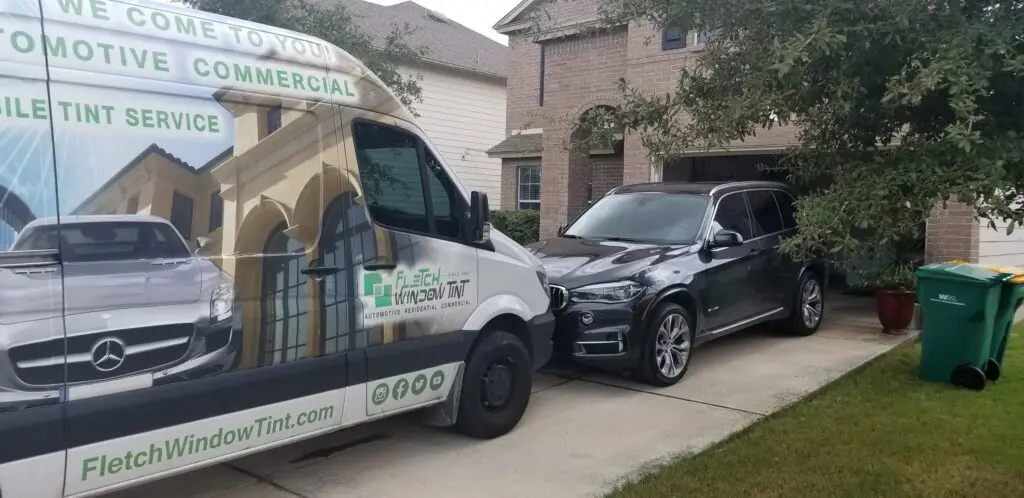
Is 70% tint legal in Texas?
On the side and rear windows, yes. Texas Transportation Code 547.613 requires the front side windows to measure 25% or more light transmission and 25% or less reflectance with the film on, and 70% film clears both by a wide margin. The windshield has its own two-part rule, covered in the next section.
| Window | What the rule says | Where 70% film stands |
|---|---|---|
| Front side windows | 25% or more light and 25% or less reflectance, film and glass together | Clears both: Ceramic IR 70 measures 64% light and 7% outside reflectance on standard auto glass |
| Side windows behind the driver | No darkness limit | Allowed |
| Rear window | No darkness limit with an outside mirror on each side | Allowed |
| Windshield | Clear (un-tinted) UV film is allowed anywhere, per Texas DPS. Film that darkens the glass needs 25% or more light, 25% or less reflectance and no red, blue or amber, and has to stay above the AS-1 line or in the top five inches | 3M Ceramic IR 70 is the clear film we put on the whole windshield |
On the side windows, 70% isn’t just legal. It’s aggressively legal, the window-tint version of wearing a helmet to walk the dog.
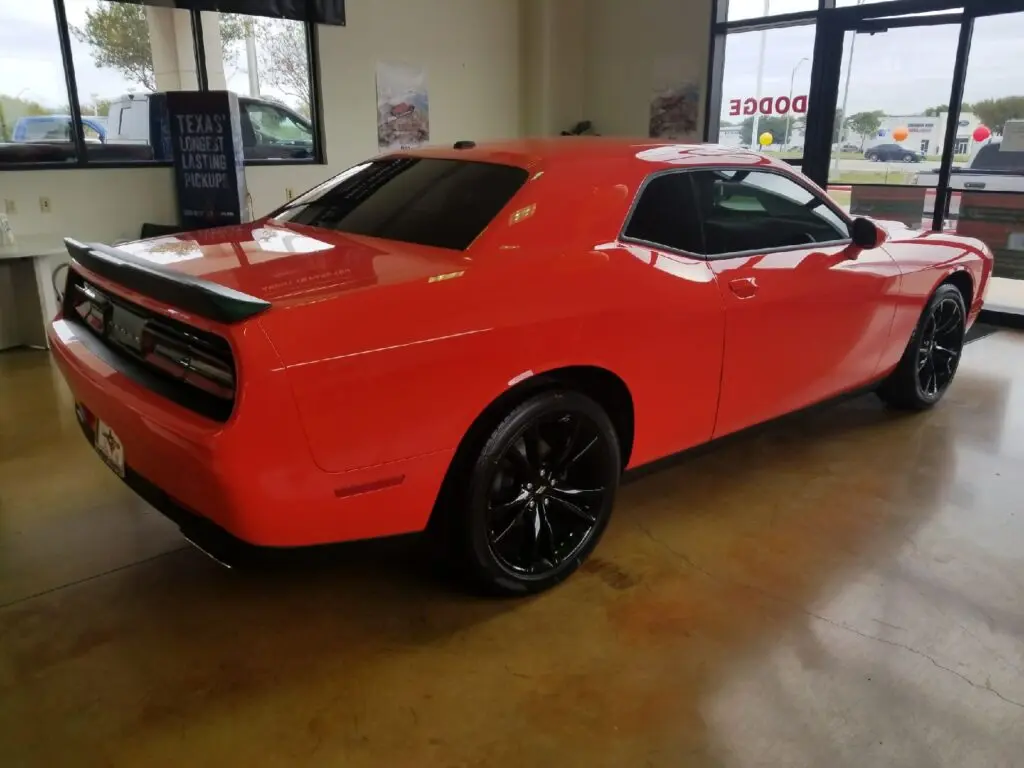
Can you put 70% tint on a windshield in Texas?
Texas splits windshield film into two kinds. The Texas DPS window tinting standards say “a clear (un-tinted) UV film is allowed anywhere on the front windshield without a medical exemption being required.” Film that darkens the glass is different: DPS says it has to be applied above the AS-1 line, or end five inches below the top of the windshield if there’s no AS-1 line.
That second half comes from Texas Transportation Code 547.613(b)(1). It covers windshield film that has “a light transmission of 25 percent or more” and “a luminous reflectance of 25 percent or less,” is “not red, blue, or amber,” and “does not extend downward beyond the AS-1 line or more than five inches from the top of the windshield, whichever is closer to the top of the windshield.”
So where does 70% fit? Which half of the rule applies turns on whether a film counts as “clear (un-tinted).” At our shop, 3M Ceramic IR 70 counts as clear film, so it goes on the whole windshield. A film that darkens the glass goes in the top strip only, and I’d rather tell you that at the counter than have you find out at a traffic stop.
If you’ve never noticed the AS-1 line on your windshield, you’re in good company. Most drivers have stared through that glass for thousands of hours and only ever noticed the bug splat on the passenger side.
Section 547.613(e) also says “it is a defense to prosecution” if the driver or a passenger “is required for a medical reason to be shielded from direct rays of the sun.” Texas DPS asks for a signed statement from a licensed physician or optometrist, kept in the vehicle. Our posts on windshield tint in Texas and the Texas tint exemption go through both in plain English, and I’d read them before you decide anything about your windshield.
People ask about 70% on the windshield for an understandable reason. It’s one of the biggest pieces of glass on the car, it sits right in front of your face, and nearly clear ceramic film doesn’t change the view. Our windshield tint page covers the clear 3M ceramic film we put on windshields.
70% vs 50% tint: which one?
50% is the next step darker. On standard auto glass, 3M’s Ceramic IR 50 lets through 50% of light against 64% for Ceramic IR 70, and cuts glare by 32% instead of 12%. The heat difference is small: 54% of total solar energy rejected against 51%.
So 50 buys you a lot more glare control and a little privacy. 70 buys you the right to tell people you have tint and watch them not believe you.
Our post on 50% tint shows what the next shade looks like. If you want the car to look properly tinted, 35% tint is the usual next stop after that.
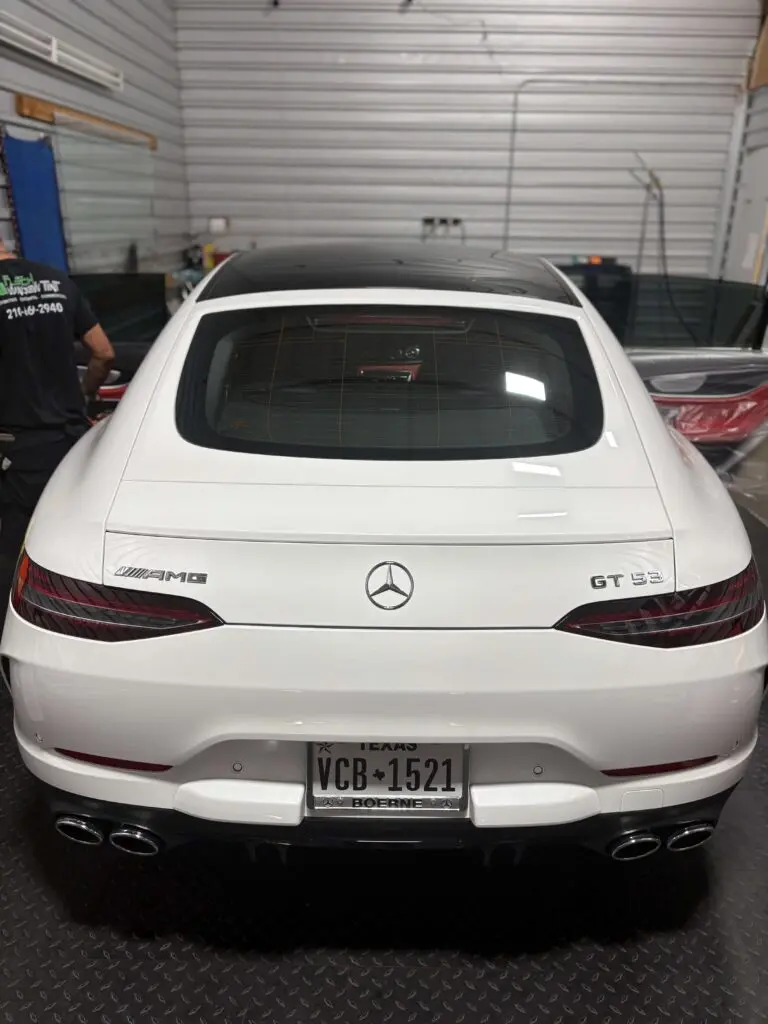
What we see at the shop
Sally and I both drive Teslas, and so do our daughter and granddaughter. That’s a lot of glass in one family, so I care about light film on a personal level, mostly between April and October.
With that much glass, the night view matters as much as the heat. One Model Y owner put it well:
“They walked me through how each tint would impact the manufacturer’s tint (I have a Model Y) and what the visibility would be at night through the glass ceiling.”
Jillian S., March 2022
The heat is what people notice first:
“My car is much cooler compared to others after being outside in the scorching San Antonio sun.”
Stacy V., May 2022
My take on 70: it’s for the driver who likes the car’s look exactly as it is and wants the sun to stop winning. If privacy is what you’re after, it’s the wrong shade, and you’ll hear that from me before anything goes on the glass.
A full car usually takes about 45 minutes to two and a half hours, going by what customers report in their reviews. Every 3M film we install comes with a lifetime film warranty.
Frequently asked questions
Can you tell if a car has 70% tint?
Usually only up close or next to untinted glass. In 3M’s tests, Ceramic IR 70 takes standard auto glass from 73% to 64% light through, so the glass looks only slightly darker and the people inside stay easy to see.
Is 70% tint worth it?
For heat and UV, yes, if it’s a ceramic or Crystalline film. In 3M’s tests on standard auto glass, Ceramic IR 70 raises total solar energy rejected from 42% for bare glass to 51% and blocks 99.6% of UV, without changing the look much.
Is 70% tint legal in Texas?
On the side and rear windows, yes. Texas requires 25% or more light and 25% or less reflectance on the front side windows, and 70% film clears both. On windshields, Texas DPS allows clear (un-tinted) UV film anywhere, and film that darkens the glass only above the AS-1 line or in the top five inches. We put 3M Ceramic IR 70 on the whole windshield as a clear film.
Does 70% tint block heat?
Yes. 3M rates Ceramic IR 70 at 78% infrared rejection, and on standard auto glass it rejects 51% of total solar energy against 42% for the glass alone.
Can you put 70% tint on a windshield in Texas?
Texas DPS says a clear (un-tinted) UV film is allowed anywhere on the front windshield without a medical exemption. Film that darkens the glass is only allowed above the AS-1 line or in the top five inches, at 25% or more light and 25% or less reflectance, under Texas Transportation Code 547.613. We install 3M Ceramic IR 70 as a clear film, so it can cover the whole windshield.
What’s the difference between 70% and 50% tint?
50% tint lets in half the visible light and looks lightly tinted, while 70% looks nearly clear. In 3M’s Ceramic IR line, 50 cuts glare by 32% and 70 by 12%, with a 3-point difference in total solar energy rejected.
Get nearly clear tint in San Antonio
If you want the heat gone and the look left alone, start with our windshield tint in San Antonio page for 3M’s clear ceramic film, or our car window tint page for the side windows. The quote is free, and every 3M film we install carries a lifetime film warranty. Call (210) 669-2940, and for every other shade, the window tint percentages guide has the full chart.
Sources
- Texas Transportation Code 547.613, Restrictions on Windows, Texas Legislature via Texas.Public.Law
- Window Tinting Standards, Texas Department of Public Safety
- 3M Automotive Window Film Ceramic IR Series technical data sheet, 3M, July 2021
- 3M Automotive Window Film Crystalline Series (CR BLK) technical data sheet, 3M, May 2024
- Federal Register, Volume 60, Issue 47, notice on FMVSS 205 light transmittance, National Highway Traffic Safety Administration, March 10, 1995
- Assessment of Levels of Ultraviolet A Light Protection in Automobile Windshields and Side Windows, Boxer Wachler, JAMA Ophthalmology, 2016
- Are You in the Know About This Sun Protection Strategy?, The Skin Cancer Foundation

Written by Kevin “Fletch” Fletcher, co-owner of Fletch Window Tint
Kevin and his wife Sally have run Fletch Window Tint in San Antonio since 1989. The shop is one of only two 3M Prestige Dealers in the city, with more than 120,000 cars and 5,000 homes tinted. Get a free quote or call (210) 669-2940.